Chalk or Liquid Chalk for Lifting: Which One Actually Fits Your Gym
The chalk versus liquid chalk decision for lifting grip isn’t really about which works better, both improve grip meaningfully. It’s about which one fits the actual gym being trained in, since mess tolerance and gym policy usually decide this before performance does.

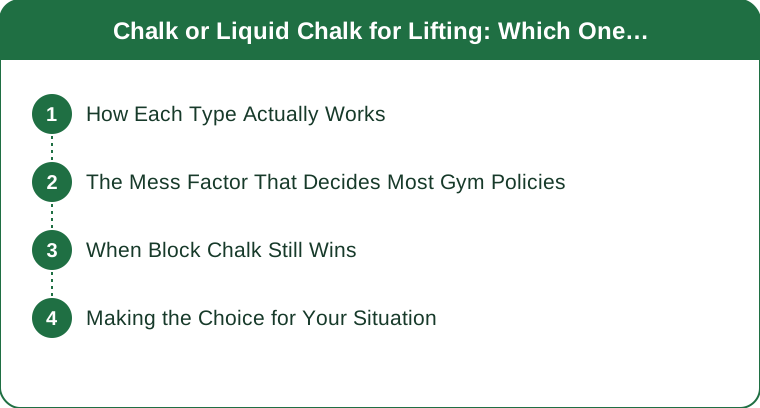
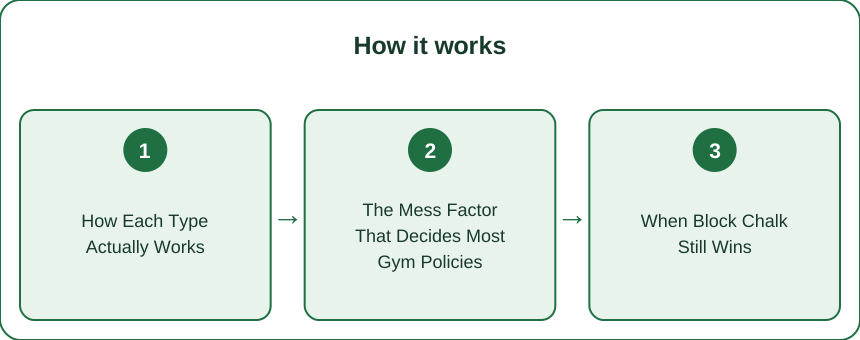
How Each Type Actually Works
The mechanism: the the-block-chalk-absorption (traditional block or loose chalk, magnesium carbonate, working by absorbing moisture directly from the skin, providing strong grip that can be reapplied quickly between sets), the the-liquid-chalk-alcohol-base (liquid chalk suspending the same magnesium carbonate in an alcohol-based liquid that evaporates on application, leaving a thin, less messy residue on the skin), the the-duration-difference (liquid chalk’s coating typically lasting through more reps or sets before needing reapplication compared to standard block chalk, which sweats through faster)).
The Mess Factor That Decides Most Gym Policies
The practical issue: the the-airborne-particle-problem (traditional block chalk creating airborne dust that settles on nearby equipment, floors, and other gym-goers’ belongings, a common source of gym complaints), the the-liquid-chalk-lower-mess (liquid chalk producing essentially no airborne dust since it’s applied as a liquid and dries in place, making it far more acceptable in shared or upscale gym spaces), the the-commercial-gym-chalk-bans (many commercial gyms banning loose block chalk entirely due to mess and equipment damage concerns, while still permitting liquid chalk).

When Block Chalk Still Wins
The performance edge: the the-heavy-single-attempt-grip (competitive powerlifters and strength athletes often preferring block chalk for maximal single-attempt lifts, where the strongest possible grip in the moment outweighs mess concerns), the the-cost-per-use-advantage (block chalk generally being significantly cheaper per use than liquid chalk, mattering for high-volume daily training), the the-reapplication-speed (block chalk allowing a much faster reapplication between sets compared to liquid chalk’s need to dry before it’s effective).
Making the Choice for Your Situation
The decision guide: the the-check-gym-policy-first (checking a specific gym’s chalk policy before buying either product, since the decision is often made by gym rules rather than personal preference), the the-home-gym-flexibility (a home gym setup removing the mess concern entirely, making block chalk’s cost and reapplication advantages the more relevant factors), and the frame (both chalk types meaningfully improve grip — the real decision usually comes down to gym policy and mess tolerance, with liquid chalk winning in shared commercial spaces and block chalk winning on cost and reapplication speed where it’s allowed.)
Both block chalk and liquid chalk genuinely solve the same grip problem, absorbing or coating sweat-prone hands with magnesium carbonate, which means the practical decision usually has less to do with performance and more to do with where the lifting actually happens. Traditional block chalk creates airborne dust that settles on floors, equipment, and other people’s belongings, which is exactly why many commercial gyms have banned it outright while still permitting liquid chalk’s alcohol-based, low-mess formula that dries in place with essentially no dust. Where block chalk still wins is in cost per use, reapplication speed between sets, and a slightly stronger grip in the moment that many competitive lifters prefer for maximal single-attempt lifts. A home gym removes the mess concern from the equation entirely, making block chalk’s practical advantages the more relevant ones to weigh. Checking a specific gym’s actual chalk policy before buying either product settles the question faster than any grip-performance comparison would.
Keep Reading
This article is for general informational and styling purposes only. Fit, sizing, and product availability may vary.