Do Knee Sleeves Actually Help Your Squat, or Just Feel Good?
Quick Answer: Knee sleeves keep the joint warm, add a small amount of elastic rebound out of the bottom of a squat, and improve proprioceptive feedback. What they do not do is provide meaningful mechanical support or prevent injury. Expect a few kilos of benefit at most on a heavy squat, plus a genuine comfort improvement in a cold gym. Knee wraps are a different tool with much larger effects and much larger downsides. If your knee needs support to squat, that is an assessment question, not a purchase.
Knee sleeves are the most common piece of gym equipment after a belt, and the reason most people give for wearing them is support.
That is the one thing they mostly do not provide. What they do provide is worth understanding, because it changes when you should bother.
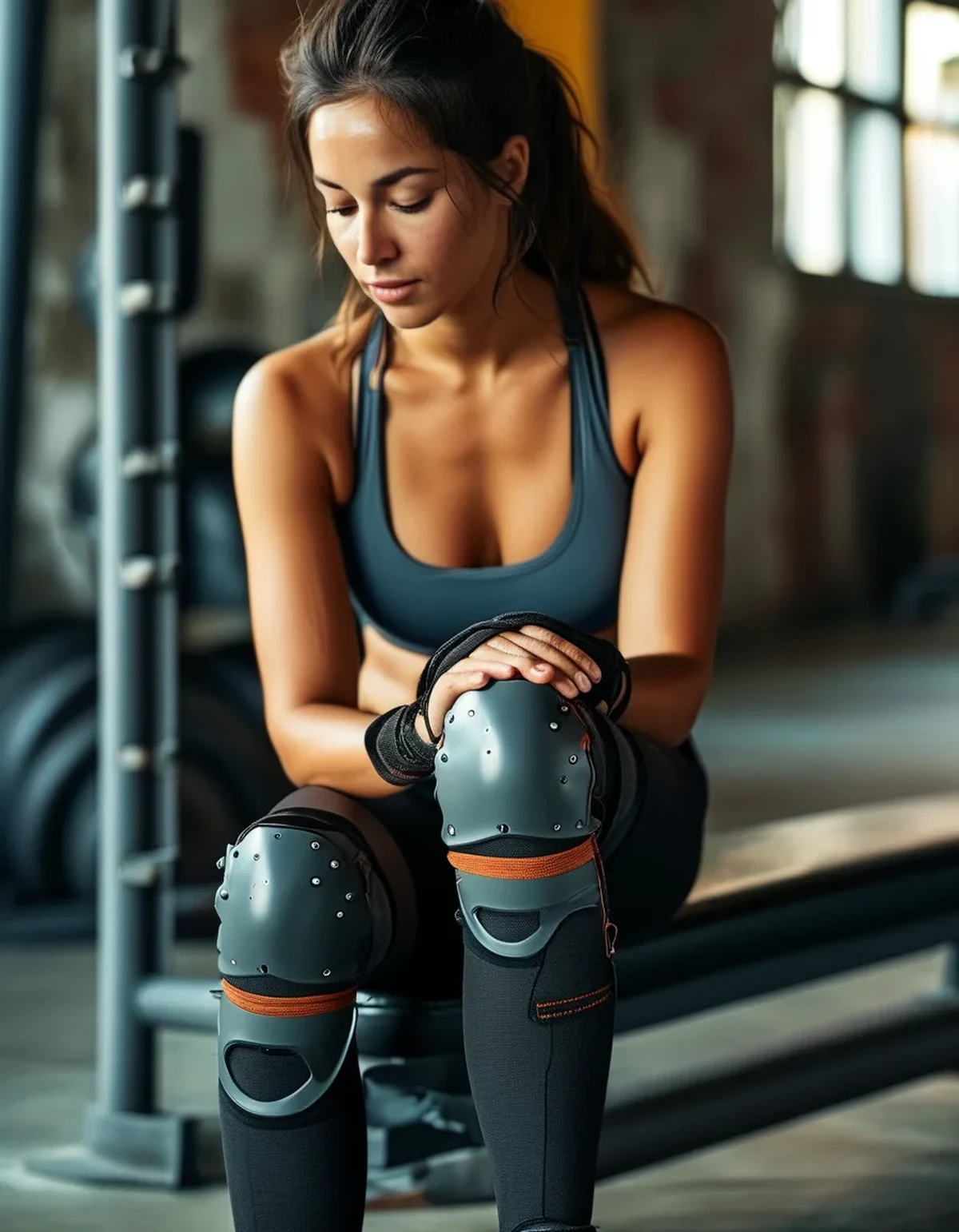
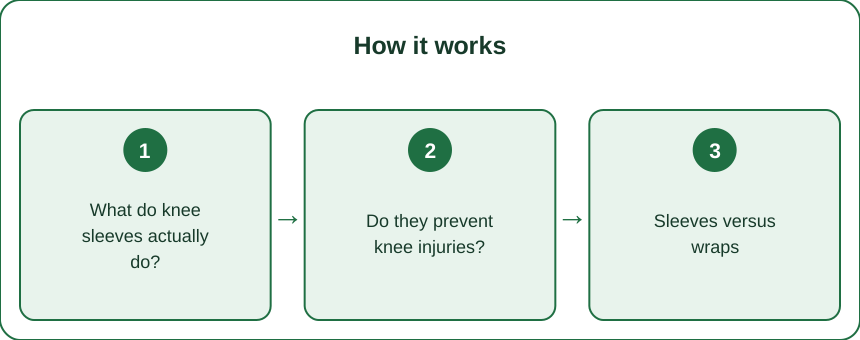
What do knee sleeves actually do?
Three things, in descending order of how well established they are.
1. Retain heat. This is the clearest effect. Neoprene traps heat around the joint, keeping the tissue warmer and more compliant. Warm tissue moves better and is more comfortable, particularly in a cold gym or an early session.
2. Provide elastic rebound. A 7mm neoprene sleeve stores a small amount of energy as it stretches at the bottom of a squat and returns some of it on the way up. The effect is real and small. Anecdotal reports and lifter consensus put it at roughly 2 to 5kg on a heavy squat, and it is more perceptible than it is large.
3. Improve proprioception. Compression around a joint increases sensory feedback about joint position, which can improve movement quality and confidence. This is likely a meaningful part of why sleeves feel like they help more than the numbers suggest.
What they do not do: provide structural support. A knee sleeve does not restrict valgus collapse, does not stabilize the ligaments, and does not reduce compressive load on the joint. The forces involved in a heavy squat are far beyond what a fabric tube can influence.
Do they prevent knee injuries?
There is no good evidence that they do, and it is worth being clear about that rather than hedging.
The injury-prevention claim is popular and unsupported. Squat knee injuries generally come from load management, technique under fatigue, and pre-existing tissue issues, and a sleeve does not change any of those.
Where the belief probably comes from: sleeves make squatting more comfortable, and more comfortable often means better technique and more willingness to warm up thoroughly. Those are real benefits, arriving indirectly.
A genuine caution: a sleeve that lets you ignore knee pain is a liability. Pain is information about load tolerance, and masking it while continuing to add weight is how minor problems become long-term ones.
Where sleeves do help legitimately with discomfort:
- Mild patellofemoral irritation, where warmth and compression reduce symptoms
- Managed osteoarthritis, where warmth is often subjectively valuable
- Returning from a layoff, where confidence and proprioception matter
In all three, the sleeve is comfort management alongside a plan, not a substitute for one.
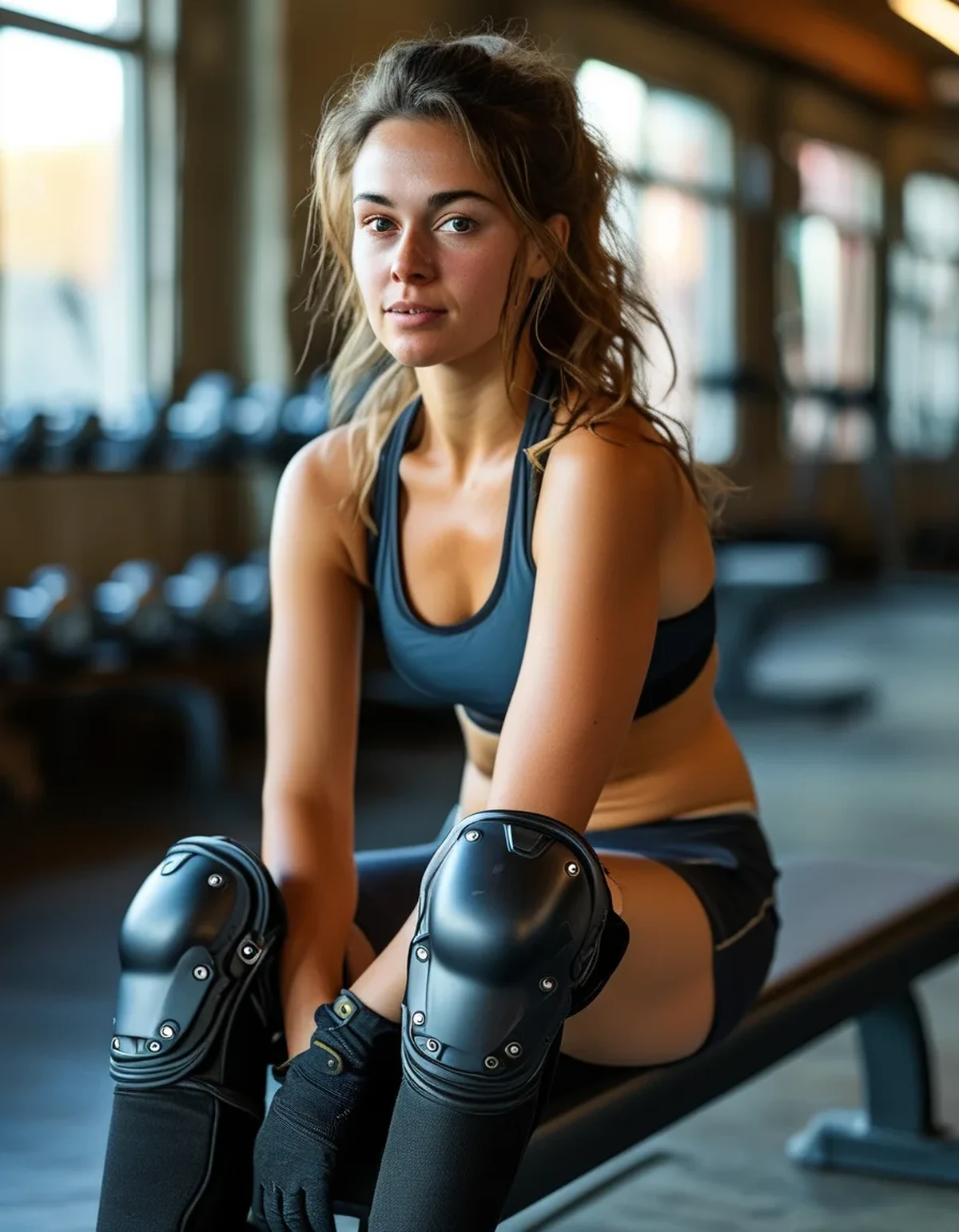
Sleeves versus wraps: what is the actual difference?
Different tools for different purposes, and they get conflated constantly.
Knee sleeves are pull-on neoprene tubes with fixed compression. Effect is small, they can be worn for a whole session, and they are permitted in most powerlifting federations’ raw divisions.
Knee wraps are long elastic strips wrapped tightly under tension before a heavy set. The effect is far larger, commonly cited at 10 to 20 percent on a maximal squat, because they store much more elastic energy and provide substantial rebound out of the hole.
The costs of wraps:
- They change squat mechanics, often shifting the movement more upright and more quad-dominant
- They increase patellofemoral compression significantly, which some lifters find painful
- They cut off circulation and can only be worn for a single set at a time
- They take practice to apply correctly, and they usually take a second person
- They are typically classified as equipped rather than raw in competition
Who should use which: most people, sleeves. Competitive lifters in wrapped divisions, wraps for heavy work only. Nobody needs wraps for general training, and using them habitually tends to reduce the training stimulus your knees would otherwise get.
On thickness: 5mm sleeves are more comfortable and better for general training and higher-rep work. 7mm are stiffer, warmer, and give more rebound, and they are the choice for heavy low-rep squatting. Below 5mm you are essentially buying warmth.
How should you size and use them?
Sizing is where most of the dissatisfaction comes from.
Measure, do not guess. Most brands size on knee circumference measured at the mid-patella, some with the leg slightly bent. Follow the specific brand chart, because they differ meaningfully.
Tight is the point. A 7mm sleeve that goes on easily is too big and will do very little. A correctly sized sleeve is genuinely difficult to get on, and many lifters roll them up, position them, and unroll. If you can pull it on casually, size down.
They should not be worn all day. Sustained high compression is not desirable outside of training, and continuous use can reduce the proprioceptive benefit as you habituate.
Take them off between exercises if you are training for a long session, since the warmth and compression are doing their job during the squat, not during your accessory work.
Wash them, please. Neoprene held against skin gets unpleasant fast. Hand wash in cool water with mild soap, air dry inside out, and do not put them in the dryer, which degrades the neoprene.
When to skip them: light technique sessions, warm gyms, and any set where you want honest feedback about how your knees feel under load. Reserving them for heavy work keeps the proprioceptive benefit sharp and gives your tissue the unassisted work it needs.
Seasonal note: the warmth benefit is about to become the main benefit for most people. Gyms get cooler through fall and winter, and a sleeve that felt superfluous in August often feels genuinely useful in November, particularly for early morning sessions. If you have been debating a pair, this is the season where they earn their keep.
This is general information, not medical advice. Knee pain that requires a sleeve to train around should be assessed by a professional rather than managed with equipment.
FAQ: Knee Sleeve Questions, Answered
Do knee sleeves actually make you squat more?
A little. Realistic estimates are around 2 to 5kg on a heavy squat from elastic rebound, plus indirect benefit from warmth and proprioception. Knee wraps are the tool with large effects, at a cost.
Do knee sleeves prevent knee injuries?
There is no good evidence for that. They do not provide meaningful mechanical support. They improve comfort, which can indirectly support better technique, but they should not be used to train through pain.
Should I get 5mm or 7mm knee sleeves?
5mm for general training and higher reps, 7mm for heavy low-rep squatting where you want more warmth and rebound. Size by the brand’s chart, and expect a correct sleeve to be hard to pull on.
TL;DR:
- Sleeves keep the joint warm, add a small elastic rebound of roughly 2 to 5kg, and improve joint position awareness.
- They do not provide structural support and there is no good evidence they prevent injuries.
- Wraps are a different tool: much larger effect, changed mechanics, higher patellar compression, one set at a time.
- 5mm for general training, 7mm for heavy squats. A correctly sized sleeve is hard to get on.
If you need a sleeve to squat without pain, the sleeve is not the answer to that question. Get it looked at.
Keep Reading
This article is for general informational and styling purposes only. Fit, sizing, and product availability may vary.