Do You Need a Lifting Belt If You Never Go Above Five Reps?
Quick Answer: A belt helps most exactly where you are training - heavy sets at or above about 80% of your maximum, which is where low-rep work lives. It works by giving your abdominal wall something to brace against, increasing intra-abdominal pressure and trunk stiffness, which typically allows more weight and better positional control. But need is the wrong frame: train the majority of your work beltless to build the bracing itself, and add the belt for top sets. No belt at all is a limiter at heavy loads; a belt on every set is a missed opportunity.
Here is how to decide when to put it on and how to use it properly.
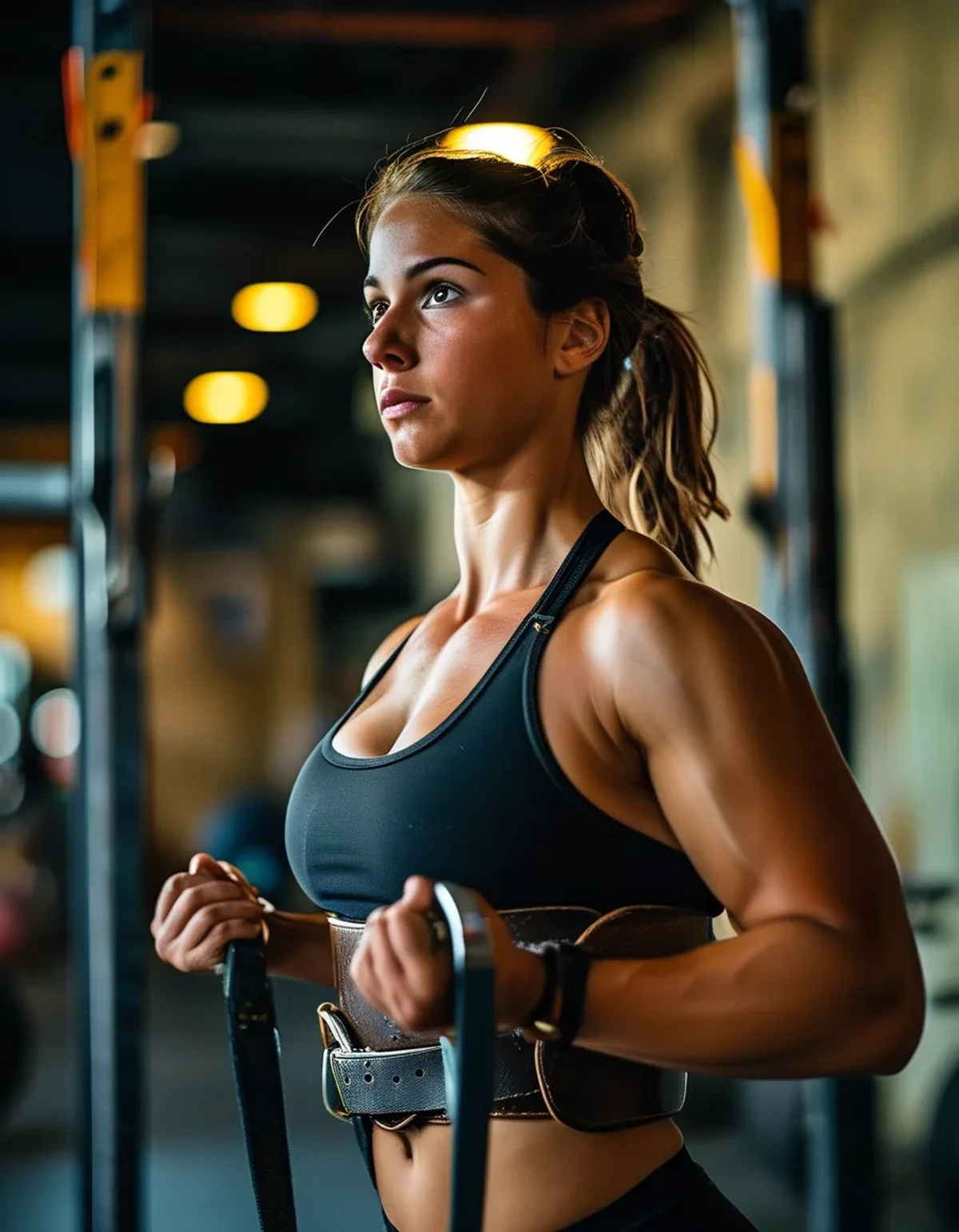
How does a lifting belt actually work?
Not by supporting your back, which is the most common misunderstanding.
A belt gives your abdominal muscles a surface to push against. When you brace against a belt, you generate higher intra-abdominal pressure than you can without one, and that pressure stiffens the trunk from the inside.
A stiffer trunk transfers force more efficiently from the hips and legs to the bar, and it reduces the amount of spinal flexion that occurs under load. Studies consistently show increased intra-abdominal pressure and often increased performance with a belt on heavy compound lifts.
It is a performance tool first and a safety tool second. The evidence that belts prevent injury is much weaker than the evidence that they improve performance. Believing otherwise leads people to wear one for everything, which is the actual mistake.
It only works if you brace properly. A belt worn loosely, or worn without pushing out into it, does very little. The belt is a target for your brace, not a substitute for it.
And it does nothing for a lift where trunk stiffness is not the limiter - bench press, curls, most machine work, and light accessory movements gain nothing.
When should you actually put it on?
A simple rule, and it fits low-rep training well.
Use it above roughly 80 to 85% of your one-rep max, or for sets in the 1 to 5 rep range at genuinely heavy loads. In practice: top sets of squat, deadlift, and heavy overhead pressing.
Warm-ups and back-off sets beltless. This is the part that matters for anyone training exclusively in low reps - if every set you do is heavy and belted, you never train your bracing unassisted, and that becomes a weakness over time.
A practical structure for a low-rep programme: warm-up sets beltless, top sets belted, back-off sets beltless if the load allows. You get the performance benefit where it counts and keep the unassisted capacity.
Do not use it for: bench press (limited benefit), any isolation work, most machine work, or conditioning. A belt worn continuously through a session provides no benefit and prevents the trunk from working.
And if you are new to lifting, spend the first several months building bracing without one. A belt on a lifter who cannot brace is just a stiff piece of leather.
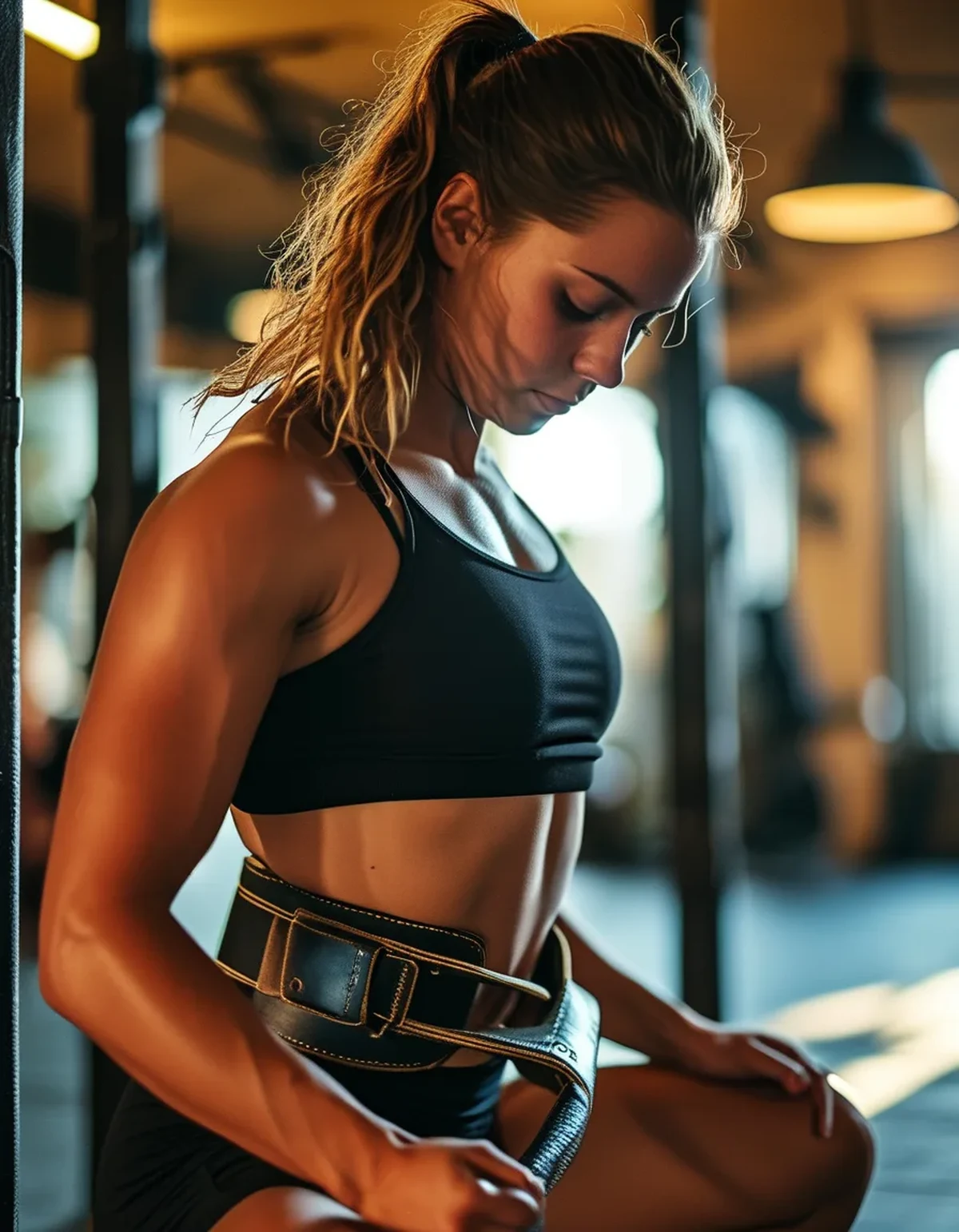
Myth vs Fact: Lifting Belts
Myth: Belts make your core weak. Fact: Research does not support this. Trunk muscles are still highly active with a belt - often more so, because you are pushing out against it. The genuine risk is doing all your work belted, which limits practice at unassisted bracing.
Myth: Belts prevent back injury. Fact: The evidence for injury prevention is weak. Belts reliably improve performance and trunk stiffness; treating them as injury insurance leads to overconfidence with load.
Myth: You should wear it as tight as possible. Fact: You need room to expand your abdomen into it. A belt so tight you cannot take a proper breath into your belly prevents the exact mechanism you are trying to use. You should be able to fit a flat hand between the belt and your stomach before bracing.
Myth: Velcro belts are inadequate. Fact: Quality nylon velcro belts are fine for most lifters and considerably more comfortable for varied training. Lever and prong leather belts are stiffer and preferred for maximal work, but the difference matters most at the very top end.
Myth: The belt goes at your natural waist. Fact: Position varies by lift and by body. Most lifters place it over the navel for squats and slightly higher for deadlifts, and the correct position is the one that lets you brace hardest without the belt digging into your ribs or hips at the bottom of a lift.
How do you use one properly?
Four steps, and the second one is where most people go wrong.
1. Position it before you set up. Over the navel for squats, adjusted for comfort at the bottom position. Fasten it standing tall, not while bent over.
2. Tighten so you can still breathe into your abdomen. A flat hand should slide between the belt and your stomach when relaxed. Too tight prevents the breath that creates the pressure - this is the single most common error.
3. Breathe in and push out into the belt 360 degrees. Not just the front - the brace should push against the belt all the way around, including the sides and the lower back.
4. Hold the brace through the lift and reset between reps as needed on heavy singles and doubles.
Choosing one: a 10cm (4 inch) width is standard, uniform width front to back for lifting (tapered belts are a different tool). 10mm thickness for most people, 13mm for advanced heavy lifters - a 13mm belt is genuinely stiff and takes weeks to break in.
Lever versus prong: levers are fast to fasten at one fixed tightness; prongs adjust more easily across lifts and body changes. For most people a prong belt is more practical, particularly if bodyweight fluctuates.
And a fit note that matters more for women: many belts are cut for a longer torso and can jam into the ribs or hips at the bottom of a squat. Look for a shorter back height, around 10cm rather than 15cm, if you have a shorter torso - this is the single most common reason a belt gets bought and abandoned.
This is general training information, not medical advice. If you have existing back problems, discuss belt use with a physiotherapist rather than assuming it will help.
FAQ: Lifting Belt Questions, Answered
At what percentage should I start using a belt?
Most lifters use one above roughly 80 to 85% of their one-rep max, which covers heavy sets of 1 to 5. Below that, beltless training builds the bracing you will use with the belt on.
Should beginners use a belt?
Generally not for the first several months. Building bracing without one first means the belt adds to a skill you already have rather than substituting for one you do not.
Does a belt help on deadlifts as much as squats?
Yes for most lifters, though preference varies more on deadlift - some find a belt interferes with the start position, particularly in sumo. It is worth testing both belted and beltless on your working sets.
What width and thickness should I buy?
10cm width, 10mm thickness suits most lifters. 13mm is stiffer, better for maximal work, and takes considerably longer to break in.
Can a belt cause any problems?
Belts raise blood pressure during a lift, so anyone with cardiovascular concerns should discuss it with a doctor. Over-reliance can also mean never developing unassisted bracing, which is why beltless warm-ups matter.
TL;DR:
- A belt gives your abdominal wall something to brace against, raising intra-abdominal pressure and trunk stiffness - it does not support your back directly.
- It helps most above about 80 to 85% of max, which is exactly where low-rep training sits.
- Warm-ups and back-off sets beltless, top sets belted - training everything belted is the real mistake.
- Fit it so a flat hand slides between belt and stomach, brace out 360 degrees, and choose a 10cm width, 10mm thickness with a shorter back height if you have a shorter torso.
So do you need one? Not to train productively - but if your programme lives at 1 to 5 reps at genuinely heavy loads, a belt on your top sets will let you handle more weight in a better position, and that is the whole argument for it.
Keep Reading
This article is for general informational and styling purposes only. Fit, sizing, and product availability may vary.