Do You Need a Lifting Belt Yet? The Honest Answer for Beginners
Quick Answer: Most beginners don’t need a belt until they’re squatting or deadlifting near or above bodyweight. Before that, a belt often masks a bracing problem rather than fixing one — learn to brace with your own core first.
Walk into any gym and you’ll see belts on lifters loading the bar with 45s and lifters loading it with just the bar. Only one of those groups is actually using the belt for its intended purpose.
What does a lifting belt actually do?
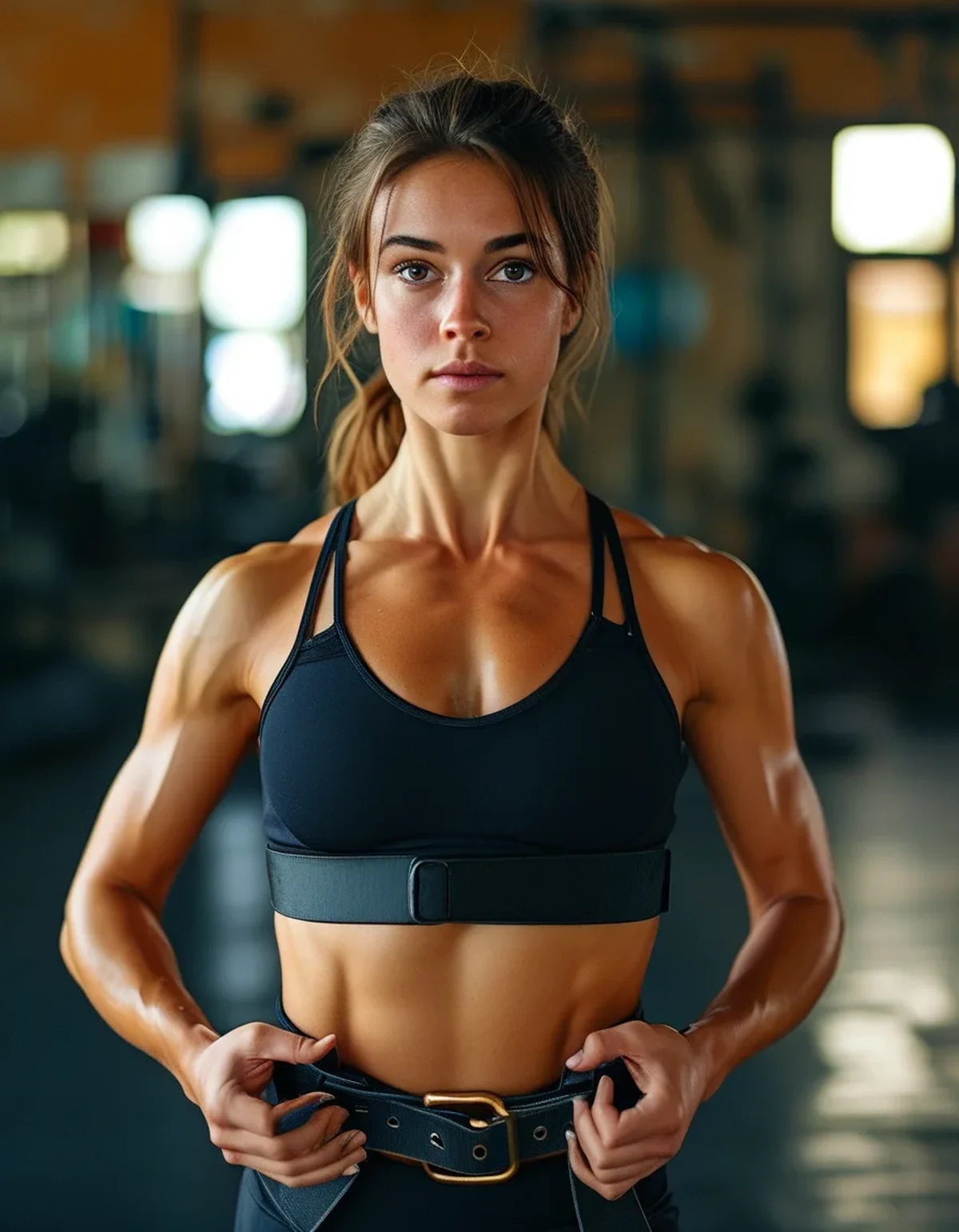
A belt gives your core something to brace against, increasing intra-abdominal pressure and, in turn, spinal stability under heavy load. It doesn’t lift the weight for you — it amplifies bracing you’re already doing correctly.
If you can’t brace your core without a belt, putting one on won’t create that skill. It’ll just hide the gap until the weight gets heavy enough to expose it anyway.
When should you actually start using one?
A reasonable line: once your squat or deadlift approaches bodyweight for reps, a belt starts adding real value. Below that, most lifters get more out of practicing the Valsalva maneuver and core bracing unbelted.
There’s no harm in trying a belt earlier to learn the sensation — just don’t lean on it as a substitute for bracing technique.

Myth vs Fact: Lifting Belts
Myth: A belt protects your back from injury. Fact: A belt increases stability under load, but it can’t fix a rounded back or bad bar path. Poor form with a belt is still poor form.
Myth: Belts weaken your core over time. Fact: No solid evidence supports this for lifters who already train unbelted regularly. The risk is skipping unbelted bracing practice entirely, not the belt itself.
What should you look for in a first belt?
A 4-inch, single-prong or lever belt in stiff leather is the standard choice — nylon belts flex too much to provide real bracing feedback. Buy true to your working waist size, not your pants size; it should feel snug enough that you have to actively push against it.
FAQ: Lifting Belt Questions, Answered
Should I wear a belt for every set?
No — save it for your heaviest working sets (typically above 80% of your max). Lighter warm-up sets are a good place to keep practicing unbelted bracing.
Can a belt make you weaker if used too early?
Not weaker exactly, but it can slow down learning proper bracing, since the belt does some of the stabilizing work your core should be learning to do.
Do I need a belt for deadlifts and squats only?
Those are the main lifts, though some lifters also belt heavy overhead presses. Isolation work rarely benefits from one.
TL;DR:
- Belts amplify bracing you’re already doing right — they don’t create bracing skill from scratch
- A good starting point is once your squat/deadlift nears bodyweight for reps
- Choose a stiff 4-inch leather belt sized to your working waist
- Save it for your heaviest sets, keep practicing unbelted bracing on warm-ups
If you’re unsure whether you’re ready, try a few belted sets — if it feels like it’s doing nothing, you probably don’t need it yet.
Keep Reading
This article is for general informational and styling purposes only. Fit, sizing, and product availability may vary.