Knee Sleeves vs. Knee Wraps: They're Not Interchangeable Gear
Quick Answer: Knee sleeves provide compression, warmth, and mild joint support without significantly assisting the lift itself, making them suited for general training and joint comfort, while knee wraps are rigid, tightly wound support gear that stores elastic energy and can meaningfully assist out-of-the-hole squat performance, making them more of a specialized powerlifting competition tool than everyday gear.
They get lumped together as ‘knee gear,’ but one is a comfort accessory and the other is closer to genuine lifting equipment with a performance effect.
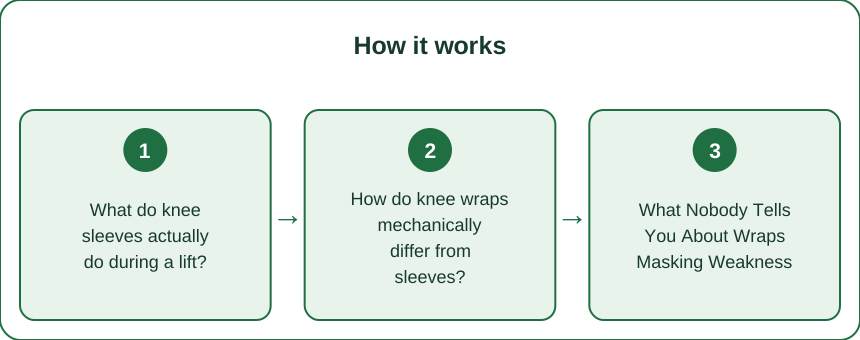
What do knee sleeves actually do during a lift?
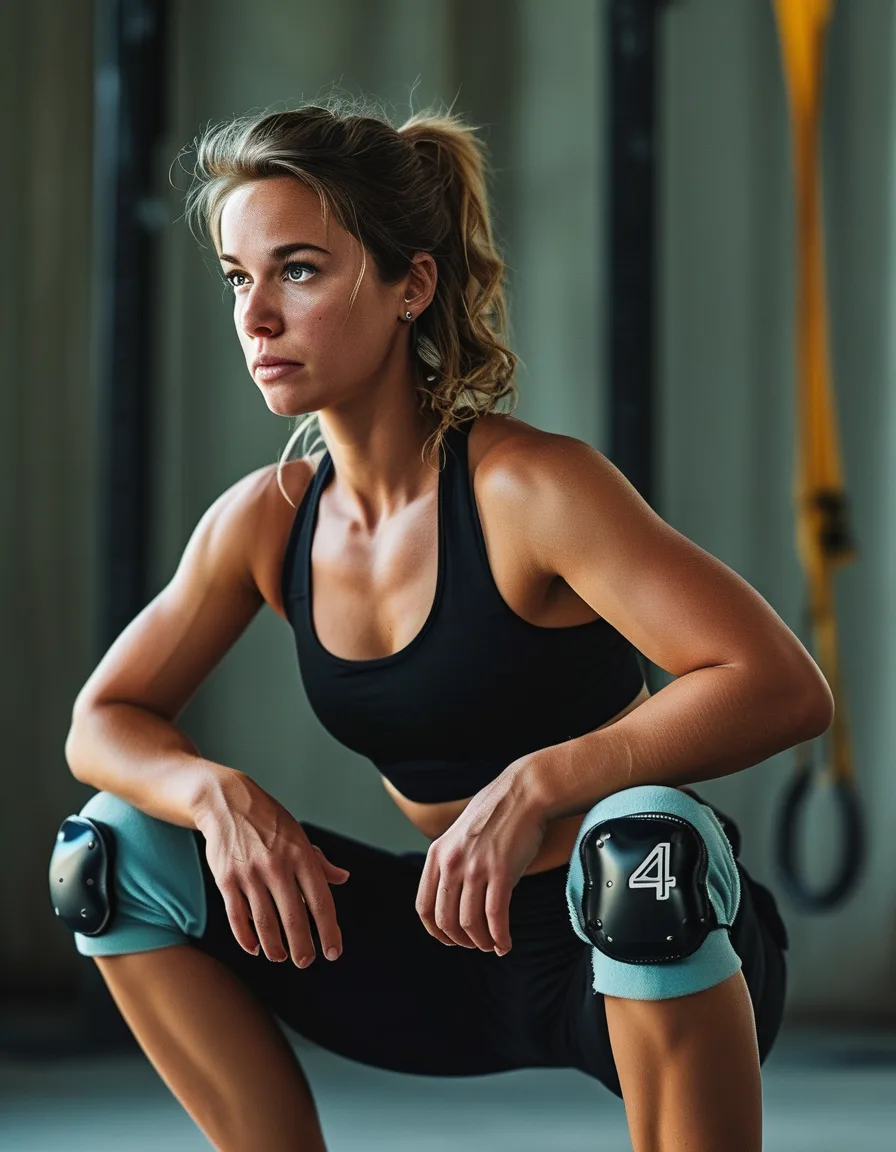
Knee sleeves provide compression that can improve proprioception (joint position awareness) and warmth, which some lifters find helps with comfort and confidence, particularly during higher-volume training or for those with minor joint sensitivity.
They provide minimal direct mechanical assistance to the lift itself — the benefit is mostly comfort, mild support, and warmth rather than meaningfully changing how much weight can be moved.
How do knee wraps mechanically differ from sleeves?
Knee wraps are wound very tightly around the knee before a lift, storing elastic energy during the descent that assists in the ascent out of the bottom of a squat — this is a genuine mechanical assistance effect, not just comfort or warmth.
This is why knee wraps are specifically regulated in powerlifting competition categories (raw vs. equipped divisions), since they can measurably change how much weight a lifter can complete compared to using no support gear at all.
What Nobody Tells You About Wraps Masking Weakness
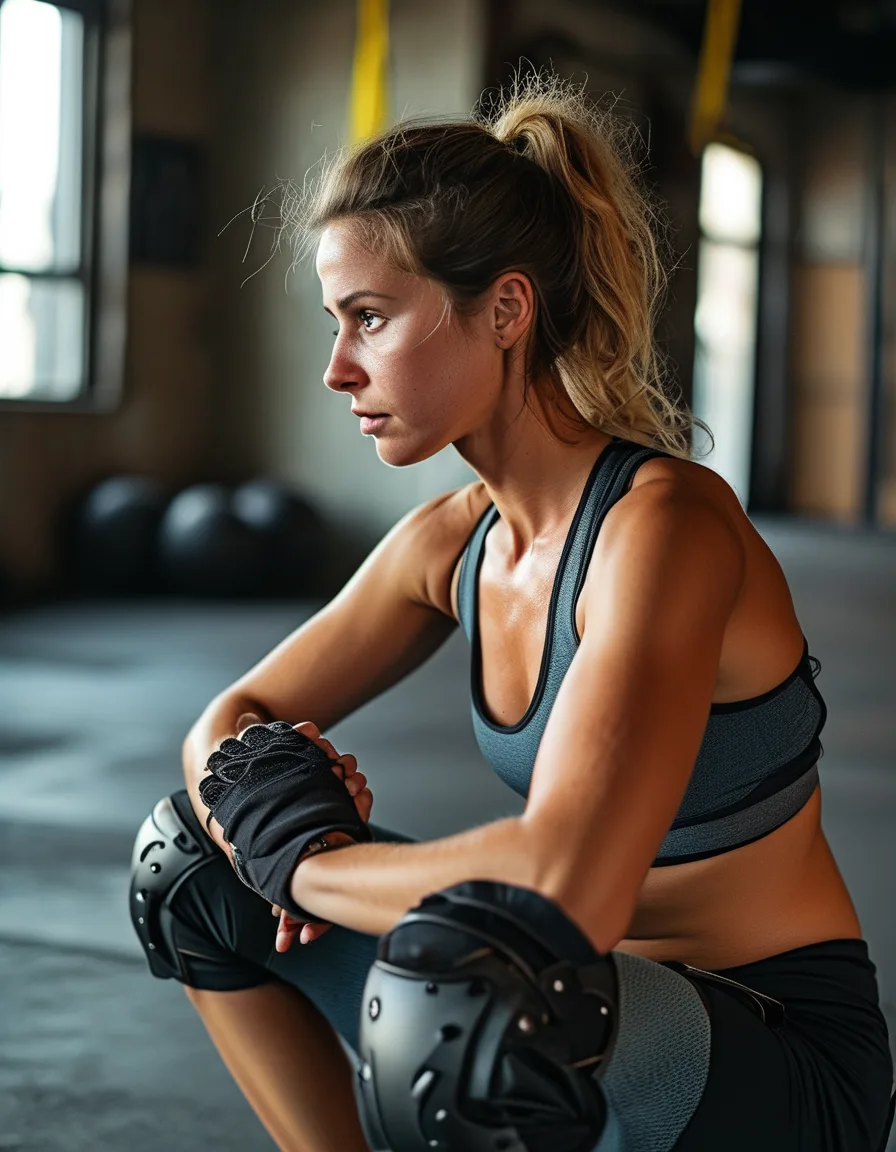
Here’s the tradeoff serious lifters should know: because wraps provide real mechanical assistance out of the bottom position, relying on them regularly during training can mask an actual weakness in that position rather than addressing it — a lifter might feel strong out of the hole with wraps while that same strength doesn’t exist without them.
Many coaches recommend using wraps primarily for competition or specific max-effort testing, while training the actual bottom-position strength unassisted most of the time, to avoid building a performance number that depends on the gear rather than genuine strength.
Which one should a given lifter actually use?
- General training and joint comfort — knee sleeves are the appropriate, low-interference choice
- Competitive powerlifting in an equipped or wraps-allowed category — knee wraps, used deliberately and within competition rules
- Building genuine unassisted bottom-position strength — training without either, at least for a portion of training
- Rehab or joint-sensitive training — sleeves for warmth and support; wraps aren’t appropriate here since their mechanical assist doesn’t address underlying joint issues
FAQ: Knee Sleeves vs Knee Wraps Questions, Answered
Can beginners use knee wraps?
It’s generally not recommended — wraps are a specialized tool best suited to lifters with solid technique who understand how the mechanical assistance works, not a general beginner accessory.
Do knee sleeves prevent knee injuries?
They may offer mild support and comfort, but they aren’t proven to meaningfully prevent injury on their own — proper technique and appropriate training load are more important protective factors.
Are knee wraps legal in all powerlifting competitions?
No — legality depends on the specific federation and competition category (raw versus equipped/wraps-allowed divisions), so checking the specific competition’s rules is necessary before using them.
TL;DR:
- Knee sleeves offer compression and comfort with minimal direct lift assistance
- Knee wraps store elastic energy and can meaningfully assist squat performance out of the hole
- Relying on wraps in regular training can mask real weakness in the bottom position
- Sleeves suit general training; wraps suit specific competition or max-effort contexts
They solve different problems — sleeves are everyday comfort gear, wraps are a specialized performance tool that comes with a real technique tradeoff if overused.
Keep Reading
This article is for general informational and styling purposes only. Fit, sizing, and product availability may vary.