A Lifting Belt Doesn't Support Your Back the Way Most People Think It Does
A lifting belt gets commonly assumed to work the way a back brace does — providing direct external structural support to the spine that takes some load off the back muscles themselves — when its actual mechanism is considerably more indirect and specific than that, working through internal pressure rather than external spinal bracing. Here is why a lifting belt’s real mechanism works through increased intra-abdominal pressure rather than direct external spinal support, the specific lifts and situations where that particular mechanism actually matters, and how to use a belt correctly rather than as a substitute for genuine core strength.
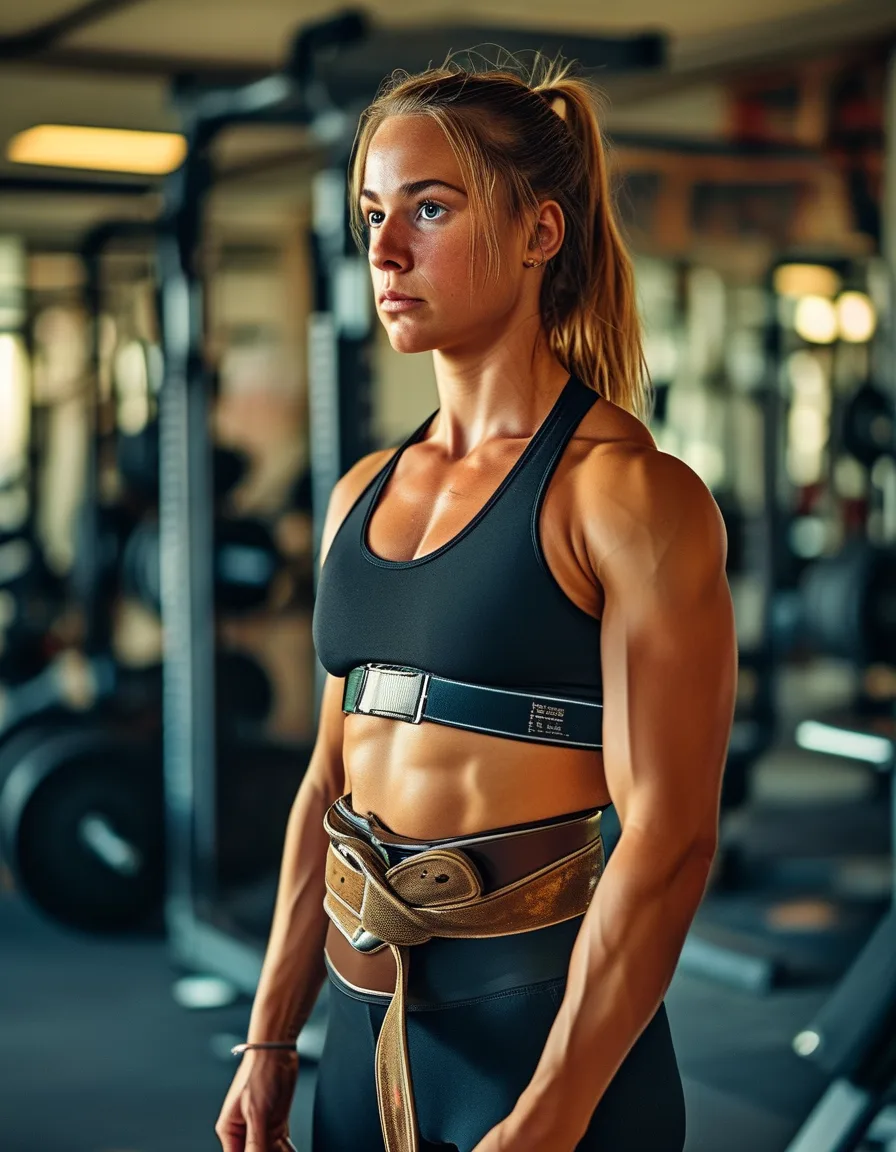
Why a Lifting Belt’s Real Mechanism Works Through Increased Intra-Abdominal Pressure Rather Than Direct External Spinal Support
The actual mechanism corrected: a-lifting-belt-provides-a-firm-external-surface-for-the-core-and-abdominal-muscles-to-actively-brace-against-which-genuinely-increases-intra-abdominal-pressure-during-a-lift-rather-than-passively-and-directly-supporting-spinal-structure-itself-from-the-lifting-belt-guide-logic (the establishing the actual correct mechanism directly, explaining exactly how the belt functions rather than simply stating it isn’t what people assume — the a-genuinely-correctly-used-lifting-belt-provides-a-firm-and-stable-external-surface-specifically-for-the-core-and-abdominal-muscles-to-actively-and-deliberately-brace-directly-against-which-genuinely-and-measurably-increases-overall-intra-abdominal-pressure-during-a-heavy-lift-rather-than-passively-and-directly-supporting-spinal-structure-itself-in-the-way-a-medical-back-brace-would), increased-intra-abdominal-pressure-itself-genuinely-provides-real-spinal-stability-by-creating-a-rigid-supportive-cylinder-of-pressure-around-the-spine-from-the-inside-rather-than-through-any-direct-external-mechanical-support-applied-to-the-spine-from-outside-the-body (the establishing the actual physiological reason increased intra-abdominal pressure translates into real spinal stability, completing the corrected mechanism with the full causal chain — the that-same-genuinely-increased-intra-abdominal-pressure-itself-genuinely-and-measurably-provides-real-spinal-stability-by-actively-creating-a-firm-and-rigid-supportive-cylinder-of-internal-pressure-directly-surrounding-the-spine-from-the-inside-rather-than-through-any-kind-of-direct-external-mechanical-support-being-applied-to-the-spine-from-outside-the-body-at-all), and the reframe (the corrected mechanism as the belt working indirectly by giving the core muscles something firm to brace against, which the body’s own muscles then use to generate internal stabilizing pressure — the belt itself provides zero direct external spinal support, and all the actual stabilizing work still comes from the lifter’s own musculature)).
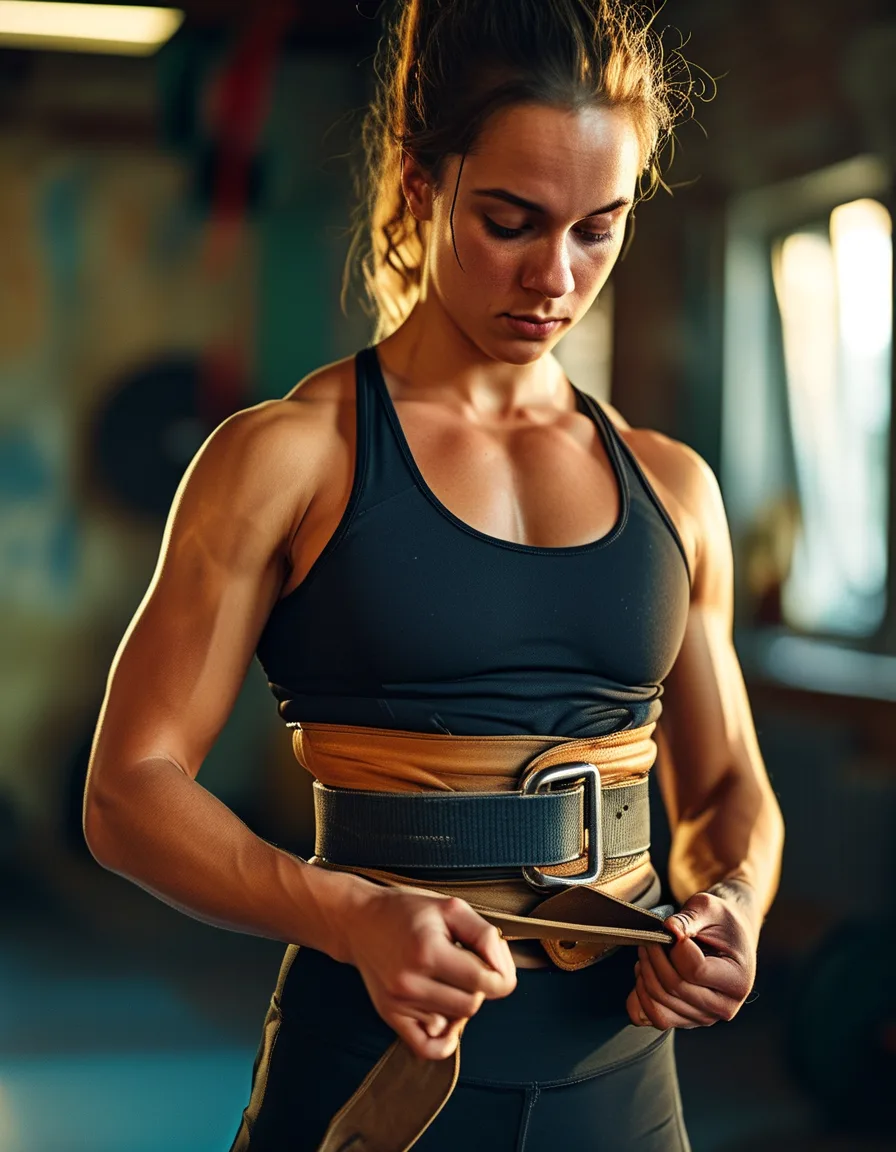
The Specific Lifts and Situations Where That Particular Mechanism Actually Matters
Where the belt’s real mechanism genuinely helps: heavy-compound-lifts-that-place-significant-axial-load-directly-through-the-spine-such-as-heavy-squats-and-deadlifts-are-the-specific-lift-category-where-increased-intra-abdominal-pressure-provides-the-most-genuine-and-meaningful-benefit-from-the-do-you-need-lifting-gear-a-beginners-guide-logic (the establishing the specific lift category where the actual established mechanism genuinely provides meaningful real benefit, since the mechanism specifically matters for spinal loading demand — the genuinely-heavy-compound-lifts-that-place-significant-and-real-axial-load-directly-through-the-spine-such-as-heavy-squats-and-heavy-deadlifts-specifically-are-the-particular-lift-category-where-increased-intra-abdominal-pressure-genuinely-provides-the-most-real-and-meaningful-benefit-of-any-common-training-context), the-belt-provides-genuinely-the-most-benefit-specifically-at-or-near-a-lifters-actual-current-strength-limits-where-maximal-bracing-and-stability-genuinely-matter-most-rather-than-during-lighter-warm-up-sets-or-moderate-intensity-accessory-work-where-the-core-can-typically-brace-adequately-without-any-external-aid-at-all (the establishing the specific intensity threshold where the mechanism genuinely matters most, distinguishing appropriate from unnecessary use by intensity level specifically — the the-belt-genuinely-provides-the-most-real-benefit-specifically-at-or-genuinely-near-a-lifters-own-actual-current-strength-limits-where-maximal-bracing-and-genuine-spinal-stability-truly-matter-the-most-rather-than-during-considerably-lighter-warm-up-sets-or-moderate-intensity-accessory-work-where-the-core-can-typically-and-adequately-brace-perfectly-well-on-its-own-without-any-external-aid-being-needed-at-all), and the frame (the specific situations where the belt’s real mechanism matters as heavy axial-loading compound lifts like squats and deadlifts specifically, and at or near actual current strength limits specifically — a narrower and more specific appropriate-use case than the blanket always-wear-a-belt assumption).
How to Use a Belt Correctly Rather Than as a Substitute for Genuine Core Strength
The correct usage approach: actively-and-deliberately-brace-the-core-muscles-against-the-belt-before-and-throughout-each-heavy-rep-since-the-belt-only-genuinely-works-as-a-passive-surface-for-active-muscular-bracing-and-provides-essentially-no-benefit-at-all-if-worn-loosely-without-any-genuine-active-bracing-effort-against-it (the a specific and directly actionable execution instruction, tied directly back to the corrected mechanism already established — the actively-and-deliberately-bracing-the-core-muscles-firmly-and-genuinely-against-the-belt-before-and-continuously-throughout-each-individual-heavy-repetition-since-the-belt-genuinely-only-works-as-a-passive-external-surface-for-active-muscular-bracing-and-provides-essentially-zero-real-benefit-at-all-if-simply-worn-loosely-without-any-genuine-and-deliberate-active-bracing-effort-actually-directed-against-it), continue-training-genuine-core-and-bracing-strength-without-a-belt-during-appropriate-lighter-and-moderate-intensity-training-specifically-so-the-belt-remains-a-tool-used-at-appropriate-times-rather-than-becoming-a-required-crutch-for-generating-adequate-intra-abdominal-pressure-at-all-times (the a specific and important caution against belt overreliance, ensuring the underlying core strength that the belt mechanism actually depends on continues developing independently — the continuing-to-genuinely-train-real-core-and-bracing-strength-entirely-without-any-belt-at-all-during-appropriate-and-genuinely-lighter-or-moderate-intensity-training-specifically-so-that-the-belt-genuinely-remains-a-specific-tool-used-only-at-appropriate-times-rather-than-gradually-becoming-any-kind-of-required-crutch-for-generating-adequate-intra-abdominal-pressure-at-all-times-regardless-of-actual-need), and reserve-belt-use-specifically-for-the-heavy-axial-loading-compound-lifts-and-near-limit-intensities-already-established-rather-than-wearing-it-throughout-an-entire-training-session-regardless-of-the-specific-exercise-or-intensity-actually-being-performed-at-that-moment (the a final and practical usage-scope recommendation, directly tying back to and applying the specific-situations criteria already established in the previous section — the deliberately-reserving-belt-use-specifically-and-only-for-the-heavy-axial-loading-compound-lifts-and-genuinely-near-limit-training-intensities-already-clearly-established-earlier-rather-than-simply-wearing-it-throughout-an-entire-training-session-regardless-of-the-specific-exercise-or-actual-intensity-level-genuinely-being-performed-at-that-particular-moment), and the frame (the correct usage approach as actively bracing against the belt rather than simply wearing it passively, continuing to train genuine core strength without a belt during lighter training so it doesn’t become a required crutch, and reserving belt use specifically for heavy axial-loading lifts at near-limit intensities — using the belt as a specific tool for a specific mechanism rather than a general safety accessory worn indiscriminately).
A correctly used lifting belt doesn’t provide direct external structural support to the spine the way a back brace would — instead, it gives the core and abdominal muscles a firm external surface to actively brace against, which genuinely increases intra-abdominal pressure and creates a rigid stabilizing cylinder of internal pressure around the spine from the inside, with all the actual stabilizing work still coming from the lifter’s own musculature. This mechanism matters most specifically for heavy compound lifts that place significant axial load directly through the spine, like heavy squats and deadlifts, and specifically at or near a lifter’s own current strength limits, where maximal bracing genuinely matters, rather than during lighter warm-up sets or moderate accessory work. Use a belt correctly by actively and deliberately bracing the core against it before and throughout each heavy rep, since it provides essentially no benefit worn loosely without genuine bracing effort, continuing to train real core strength without a belt during lighter training so it doesn’t become a required crutch, and reserving its use specifically for those heavy near-limit compound lifts rather than wearing it throughout an entire session regardless of exercise or intensity.
Keep Reading
This article is for general informational and styling purposes only. Fit, sizing, and product availability may vary.