What Wears Out First on Your Lifting Gear and When to Replace It
Quick Answer: Lifting gear degrades in a predictable order - wrist wraps lose elasticity first at around 12 to 18 months of regular use, knee sleeves lose compression at roughly 18 to 24 months, lifting shoes lose midsole and strap integrity at 2 to 4 years, and a good leather belt outlasts all of them by a decade or more. The problem is that worn gear provides less support while still feeling familiar, so people keep relying on it as though nothing has changed.
Your knee sleeves go on easily now. They used to be a genuine struggle, and you took that as a sign they had broken in.
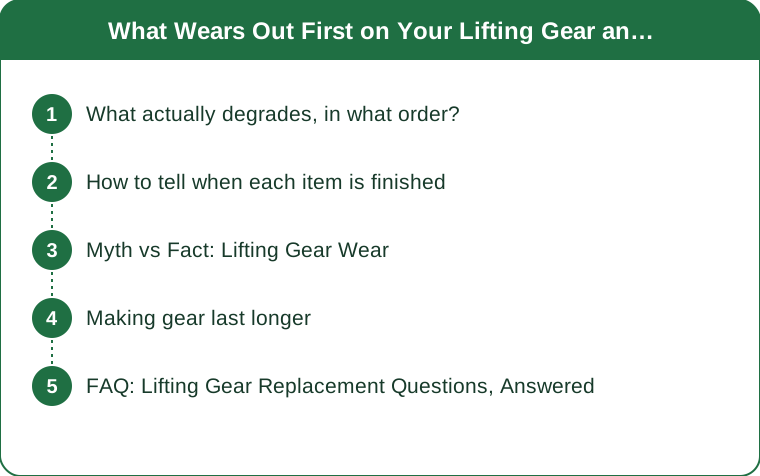
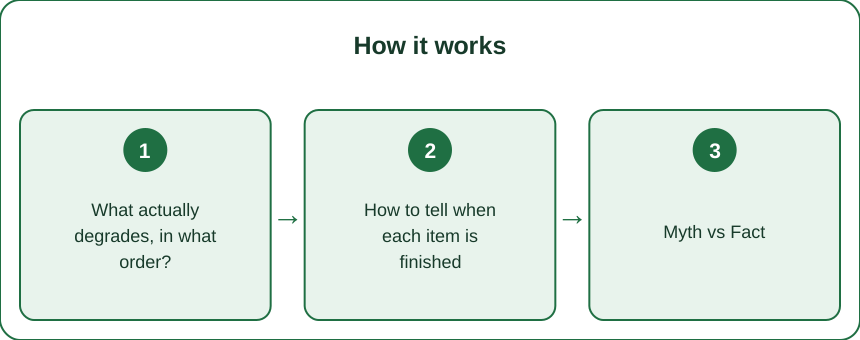
What actually degrades, in what order?
Different materials fail on very different timescales.
Wrist wraps go first, usually 12 to 18 months. The elastic threads lose recovery with repeated tensioning and washing. A wrap that no longer requires effort to pull tight is a wrap that is no longer supporting much.
Knee sleeves follow, around 18 to 24 months of regular use. Neoprene loses compression gradually through heat, sweat, and repeated stretching. The give-away is exactly the one people misinterpret - they become easy to put on.
Lifting shoes last 2 to 4 years. The raised heel itself rarely fails, but the midsole compresses, the straps stretch, and the upper loosens around the midfoot. A shoe that lets your foot move sideways is no longer doing its main job.
Lifting straps last a long time and fail suddenly. Cotton straps fray gradually at the sewn loop and then tear, often mid-set. Check the stitching rather than the length.
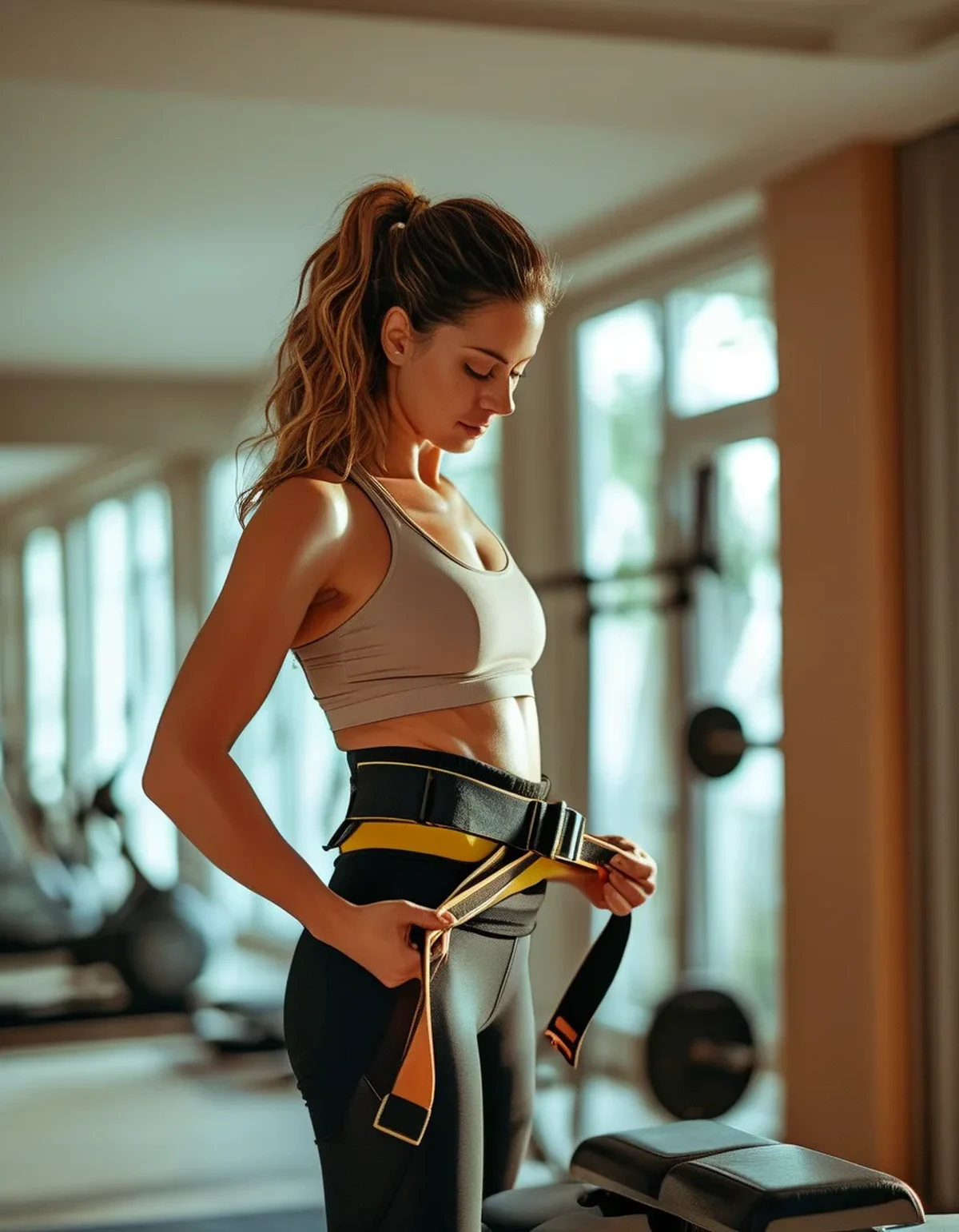
A leather belt is the exception. A good quality leather belt improves for the first year and then lasts a decade or more. The failure points are the stitching and the prong holes rather than the leather itself.
And chalk containers, gym bags, and lifting gloves fail on no schedule at all. They simply become unpleasant.
How to tell when each item is finished
There is a specific test for each.
Wrist wraps: the tension test. Pull the wrap to full extension. If it reaches noticeably further than it used to and springs back slowly, the elastic is done. A stiff, hard-to-tension wrap is a functional wrap.
Knee sleeves: the entry test. If you can slide them on easily, they have lost compression. New 7mm sleeves should be a genuine struggle. Also check for thinning at the back of the knee, where the material folds.
Lifting shoes: the sideways test. Stand in them and try to roll your foot outward. If the upper allows visible sideways movement, the stability is gone even if the sole looks fine.
Belt: check the stitching and the holes. Elongated prong holes and any loose stitching near the buckle are the two things that matter. Surface scuffing is cosmetic.
Straps: check the loop, not the length. The sewn loop is where they fail, and they fail all at once. Any visible fraying there means replacement now rather than later.
And use time as a backstop. Gear degrades slowly enough that you will not notice from session to session. Diarising a check every six months catches what daily use hides.

Myth vs Fact: Lifting Gear Wear
Myth: Gear that feels comfortable is gear that fits well. Fact: For compression items, comfort is usually the sign of degradation. Knee sleeves and wrist wraps are supposed to be difficult, and the moment they become pleasant they have stopped providing much support.
Myth: You can wash neoprene sleeves like normal kit. Fact: Hot water and machine drying destroy neoprene’s elasticity quickly. Cold hand wash, air dry away from direct heat, and never in a tumble dryer. This single habit roughly doubles their working life.
Myth: A worn belt is still fine because leather is tough. Fact: The leather usually is fine. The stitching and the prong holes are the failure points, and a belt that has elongated holes will not hold consistent tension - which is precisely the thing you are relying on under a heavy squat.
Myth: Broken-in gear performs better. Fact: True for shoes, where the upper moulds to your foot, and false for everything elastic. Wraps and sleeves are at their most effective when new and decline steadily from there.
Myth: More expensive gear lasts proportionally longer. Fact: Only somewhat. Price mostly buys better materials and construction at the top end of quality, but a mid-range sleeve cared for properly outlasts an expensive one left damp in a gym bag. Storage matters more than price.
Myth: You should replace gear on a fixed schedule. Fact: Frequency of use varies enormously. Someone lifting six days a week will get through wraps in eight months; someone lifting twice a week may get three years. Test the item rather than counting the months.
Making gear last longer
Most of the lifespan is decided by storage rather than use.
Never leave anything damp in a closed bag. This is the single largest factor. Sweat plus darkness plus warmth degrades elastic fibres and destroys everything else socially.
Air dry away from direct heat. Radiators, hot cars, and tumble dryers all damage neoprene and elastane. A airy spot at room temperature is ideal.
Hand wash sleeves in cold water monthly. Mild detergent, no fabric softener, no bleach. Softener coats the material and reduces its compression.
Store the belt flat or rolled loosely. Hanging a leather belt by the buckle over years distorts it. Rolling with the leather facing outward avoids creasing.
Rotate two pairs of wraps if you lift often. Alternating gives the elastic time to recover between sessions and extends the life of both pairs considerably beyond using one pair twice as often.
Keep lifting shoes out of the general bag. Compression from being squashed under weights deforms the upper, which is the part that fails first.
And retire gear on function, not appearance. A knee sleeve can look perfect and provide almost no compression, which is the specific failure mode most likely to catch you out under a heavy load.
This is general information, not medical advice. Gear supports technique; it does not replace it, and pain under load is a reason to stop rather than to add more support.
FAQ: Lifting Gear Replacement Questions, Answered
How often should I replace knee sleeves?
Roughly every 18 to 24 months with regular use, though the test matters more than the timeline. If they slide on easily, the compression is gone regardless of how old they are.
How do I know if my wrist wraps are worn out?
Pull one to full extension. If it stretches noticeably further than it used to and returns slowly, the elastic has gone. Functional wraps are stiff and require effort to tension.
Does a lifting belt wear out?
A good leather belt lasts a decade or more, and the failure points are the stitching and the prong holes rather than the leather. Elongated holes mean it will not hold consistent tension.
Can I machine wash knee sleeves?
Better not to. Hot water and machine drying destroy neoprene elasticity. Cold hand washing with mild detergent and air drying away from heat roughly doubles their working life.
How long do lifting shoes last?
Typically 2 to 4 years. The heel rarely fails; the midsole compresses and the upper loosens, which allows sideways foot movement and removes the stability the shoe was providing.
TL;DR:
- Wrist wraps go first at 12 to 18 months, then knee sleeves at 18 to 24, then shoes at 2 to 4 years.
- Compression gear that feels comfortable has usually failed - sleeves should be a struggle to put on.
- Check belt stitching and prong holes, and check strap loops rather than strap length.
- Never store anything damp, hand wash sleeves cold, and air dry away from heat.
- Retire gear on function, not appearance.
The dangerous failure is the quiet one. Gear that still looks fine and supports nothing is the version you will not notice until you need it.
Keep Reading
This article is for general informational and styling purposes only. Fit, sizing, and product availability may vary.