Do You Need a Lifting Belt Yet? The Load Threshold That Actually Matters
Quick Answer: Most lifters benefit from a belt once they’re squatting or deadlifting around 60% or more of their 1-rep max for working sets — not at a specific bodyweight or experience level. Below that intensity, a belt adds little.
Everyone in the gym seems to have an opinion on when you ‘earn’ a belt. The honest answer has nothing to do with how long you’ve trained.
What does a lifting belt actually do?
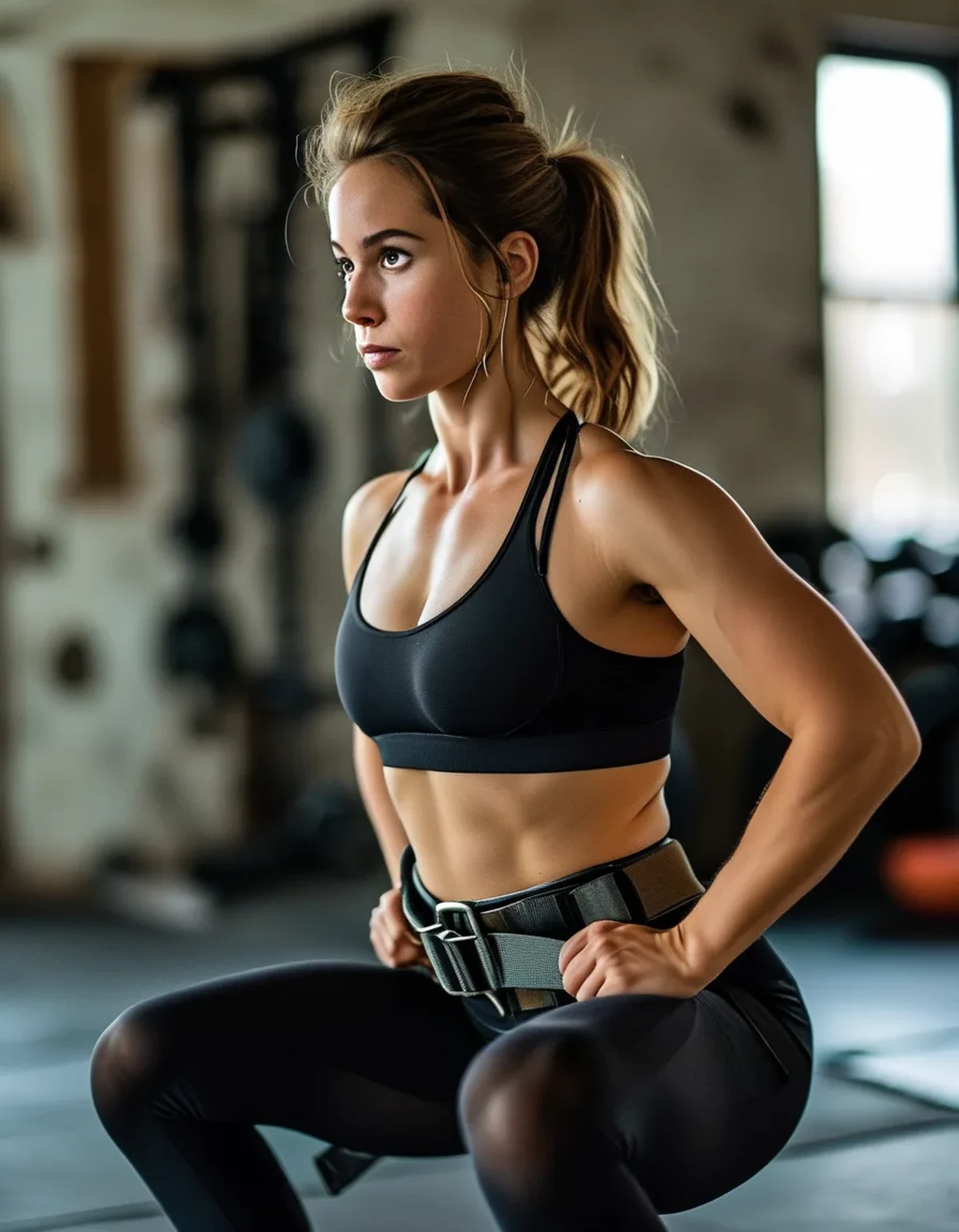
A belt gives your abdominal muscles something to brace against, increasing intra-abdominal pressure during a heavy lift. That pressure stabilizes your spine under load — it doesn’t lift the weight for you, and it doesn’t replace core strength.
Think of it as a feedback surface: you still have to actively brace into it.
Is there an actual threshold, or is it just a feeling?
There’s a reasonable rule of thumb: around 60% of your 1-rep max and above is where a belt starts meaningfully helping most lifters, because that’s roughly where intra-abdominal pressure demands ramp up sharply.
Below that, most lifters can brace adequately without one — and using a belt on every light set can actually slow down learning to brace unassisted.

When a Lifting Belt Makes You Weaker, Not Stronger
This is the part gyms don’t advertise: relying on a belt before you can brace well on your own teaches your core to rely on external pressure instead of building it. Lifters who belt every single set from day one often show a bracing gap the moment the belt comes off.
The fix isn’t avoiding belts — it’s sequencing them: build raw bracing capacity first with lighter, beltless sets, then add the belt as load increases past that 60% mark.
Do you need a belt for every lift, or just some?
Just the ones that load the spine axially and heavily: squats, deadlifts, overhead presses at high intensity. There’s little benefit for isolation work, most upper-body pressing at moderate loads, or accessory movements — save it for the big compound lifts near your working max.
FAQ: Lifting Belt Questions, Answered
Will a belt help with lower back pain?
A belt can reduce spinal load during heavy lifts, but it’s not a treatment for existing back pain — that needs its own assessment, ideally from a professional.
What width and thickness should a beginner buy?
A 4-inch, 10-13mm belt is a solid general-purpose choice for most lifters — thinner is easier to sit in for beginners still learning to brace.
Can I wear a belt too loose or too tight?
Both reduce effectiveness. It should feel snug enough that you can brace hard against it without room to expand further, but you should still be able to breathe normally between reps.
TL;DR:
- A belt helps most around 60%+ of your 1RM, not at a specific experience level
- It’s a bracing surface, not a substitute for core strength
- Belting every set from day one can create a bracing dependency
- Save it for heavy squats, deadlifts, and overhead presses near your working max
The question isn’t how long you’ve trained — it’s what’s actually loaded on the bar.
Keep Reading
This article is for general informational and styling purposes only. Fit, sizing, and product availability may vary.