Why Your Belt Feels Great on Squats and Wrong on Deadlifts
Quick Answer: A belt works by giving your abdominal wall something to push against, which raises intra-abdominal pressure and stiffens the trunk. In a squat your torso is relatively upright, so the belt sits in a consistent position and the pressure builds evenly. In a deadlift you hinge forward and the torso folds, which compresses the space between ribs and hips - so the same belt that fitted the squat now digs in and blocks the breath you need.
The usual fixes: wear it slightly higher and one notch looser for deadlifts, and take your breath before you hinge, not after.
Whether you need one at all is the other half of the question.
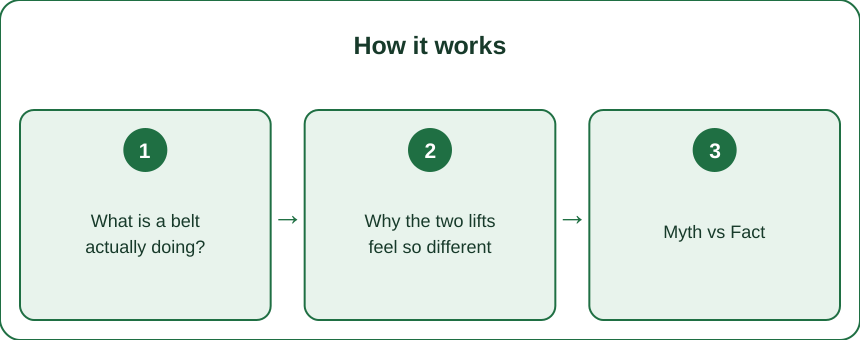
What is a belt actually doing?
Less than most people think, and something quite specific.
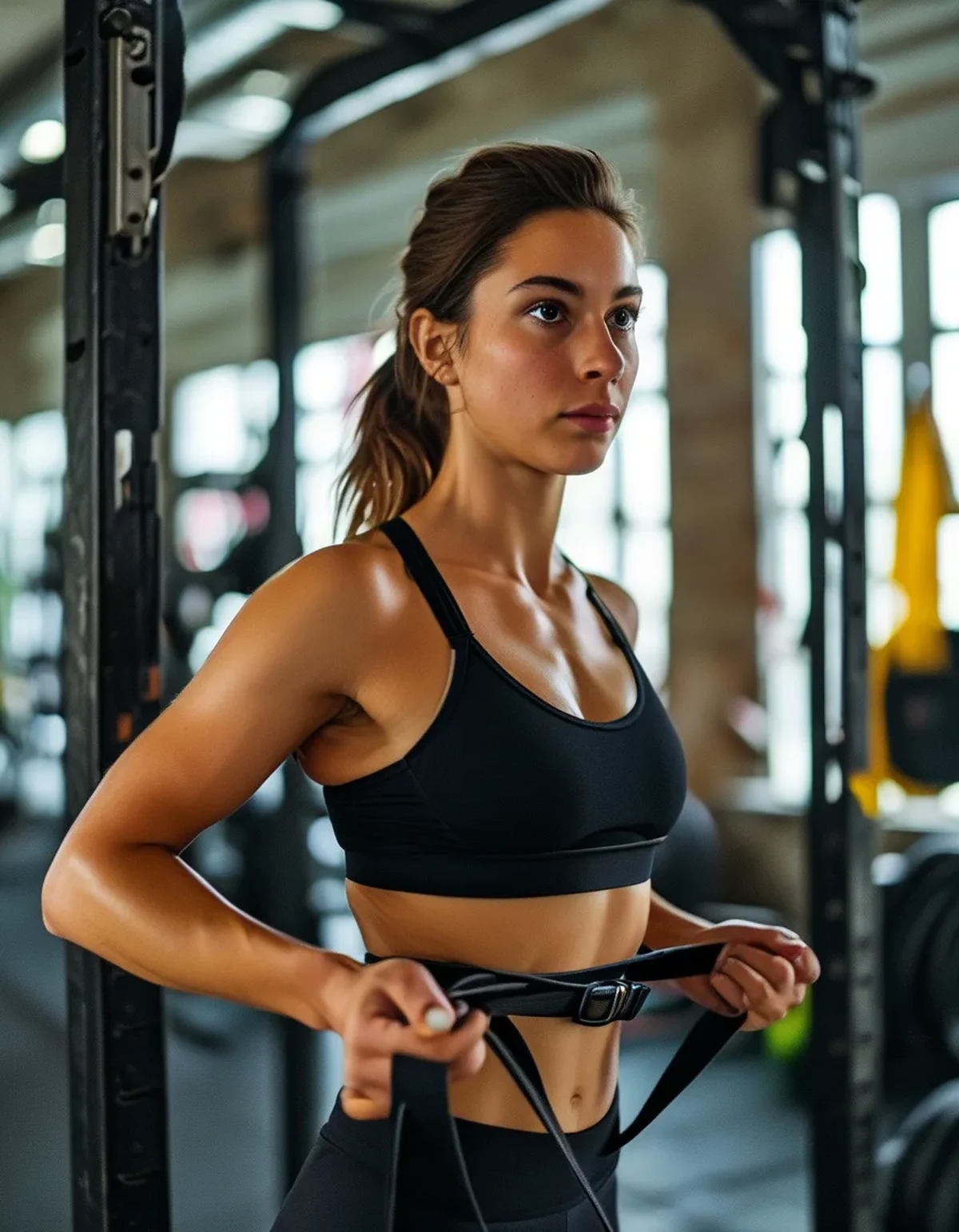
It is not supporting your back. A belt does not hold your spine in place - that is the most common misunderstanding and it leads to using one as a substitute for bracing. It provides a surface for your abdominal muscles to press outward against.
That pressure is the mechanism. Pushing the abdominal wall against a rigid belt raises intra-abdominal pressure, which stiffens the trunk from the inside - like inflating a cylinder. Research consistently shows increased intra-abdominal pressure and reduced spinal compression when a belt is used correctly.
Which means it only works if you brace into it. A belt worn passively does approximately nothing. The belt is a tool for amplifying a brace you are already producing, not a replacement for one.
The measured benefits are real but specific: more intra-abdominal pressure, often slightly faster bar speed at heavy loads, and a modest improvement in reps at a given weight. What it does not do is prevent injury - the evidence for that is much weaker than the marketing suggests.
And it matters that the belt is uniform. A belt that tapers at the front - wide at the back, narrow at the front - gives your abdominals less to press against exactly where you need it. A uniform-width belt is the standard for this reason.
Why the two lifts feel so different
The mechanics change and the belt does not, which is the whole issue.
Torso angle. In a squat you stay relatively upright and the belt keeps a consistent relationship to your ribs and hips. In a deadlift you hinge to perhaps 45 degrees or less, which folds the front of your torso and reduces the vertical space the belt occupies. A belt that was snug now compresses.
Where the pressure needs to be. Squats need pressure distributed all around the trunk, which suits a belt worn at the natural waist. Deadlifts load the lower back more directly, and many lifters find the belt works better sitting slightly higher, above the top of the hip bones.
The breath. In a squat you take your breath standing upright and then descend - the brace is set before the position changes. In a deadlift people often set up first and then try to breathe while already folded, which a tight belt makes genuinely difficult. This is the most common cause of the belt feeling wrong on deadlifts, and it is a sequencing problem, not a gear problem.
Contact with the thighs. In a conventional deadlift setup a low-worn belt can physically contact the tops of the thighs, which is uncomfortable and changes your position. Sumo pullers hit this more often than conventional.
And the tightness that suits each lift differs. Most people want the belt slightly looser for deadlifts than for squats - enough that you can still take a full breath in the hinged position, which is the only test that matters.
Myth vs Fact: Lifting Belts
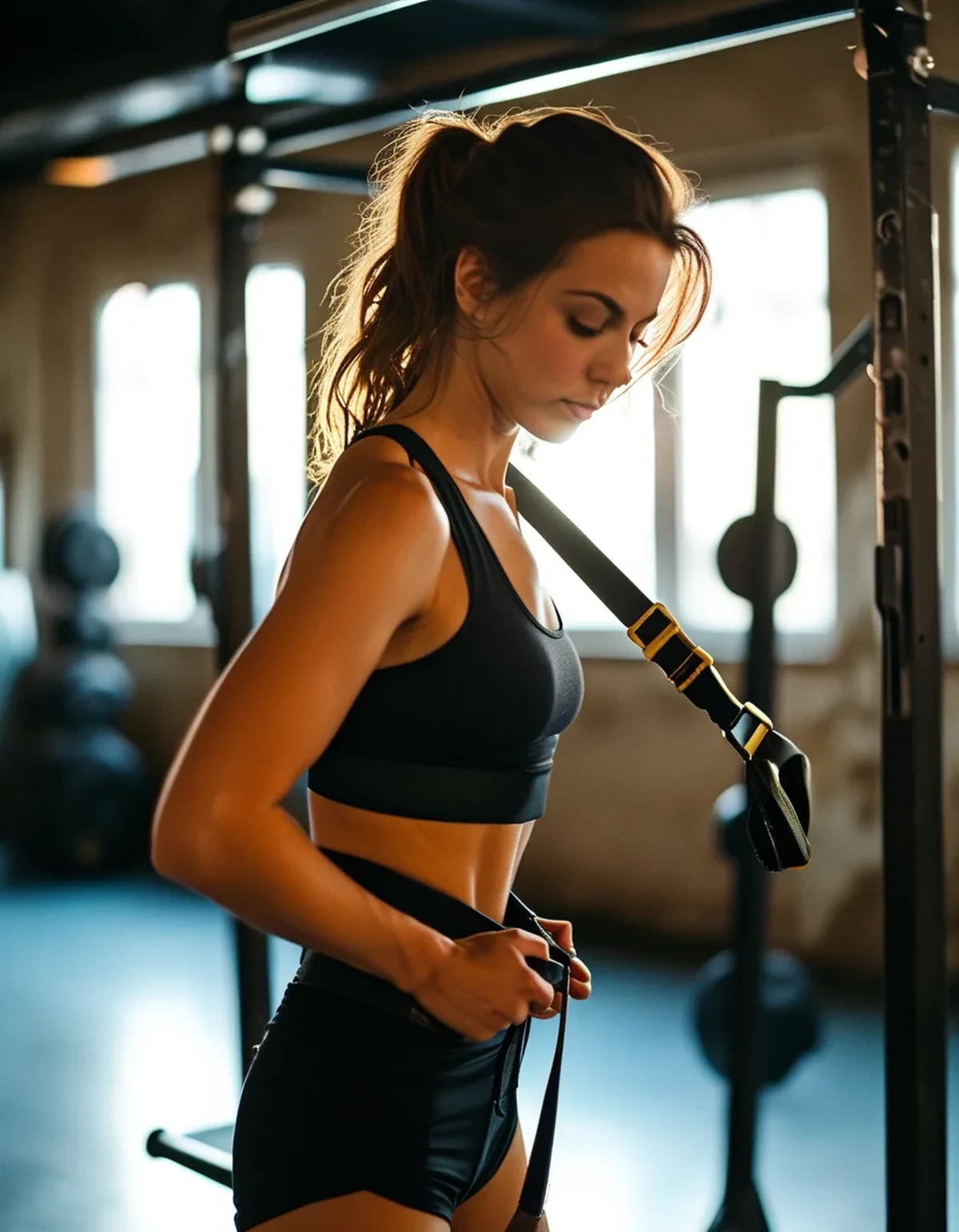
Myth: A belt prevents back injuries. Fact: The evidence for injury prevention is weak, and belt use is best understood as a performance tool rather than a safety device. Studies on occupational back belts have been particularly unimpressive on this point.
Myth: Using a belt makes your core weak. Fact: Not on its own - abdominal activity is generally similar or higher when bracing into a belt. The risk is behavioural: if you only ever lift belted and never learn to brace without one, that specific skill does not develop. Train your lighter sets unbelted and the concern disappears.
Myth: Tighter is better. Fact: A belt so tight you cannot take a full breath into your abdomen has defeated its own purpose. You need room to expand into it. The standard is one to two fingers between belt and body when relaxed.
Myth: Beginners should never use one. Fact: The more useful rule is capability-based, not time-based. Learn to brace properly unbelted first, then add a belt when the loads are heavy enough to warrant it - typically above about 80 percent of your maximum.
Myth: You should wear it for every set. Fact: Belted warm-ups mostly train you to need a belt. Save it for heavy work, which is also where the measurable performance benefit exists.
How to set it up for each lift
For squats:
- Position: at the natural waist, between the bottom ribs and the top of the hip bones. It should not move when you descend
- Tightness: snug, with one to two fingers of space when you are relaxed. When you brace, that space disappears
- The breath: take it standing upright with the bar racked, expand into the belt all the way around - front, sides, and back - then descend
- Common error: wearing it too high so it hits the ribs at the bottom of the squat
For deadlifts:
- Position: often slightly higher than your squat position, clear of your thighs at the setup
- Tightness: one notch looser than squats. The test is whether you can take a full breath in your hinged setup position
- The breath: take it standing upright before you hinge down, then hold it as you reach for the bar. Do not try to breathe in while already folded over - this single change fixes most deadlift belt complaints
- Common error: setting up first and bracing second, which forces you to breathe in the worst possible position
Choosing one, if you are buying:
- 10mm thickness suits most people; 13mm is stiff enough to be uncomfortable for many and is aimed at very heavy lifting
- Uniform width, 4 inches, unless you have a short torso, in which case 3 inches sits better
- Lever or prong both work. Lever is faster and fixed at one tightness; prong is adjustable between lifts - which, given everything above, is a genuine advantage
- Leather over nylon for heavy barbell work; nylon belts flex too much to give you a solid surface
And do not wear it all session. Belt the sets above 80 percent and lift everything else unbelted, so the bracing skill keeps developing underneath the gear.
FAQ: Lifting Belt Questions, Answered
When am I ready for a belt?
When you can brace properly without one and your working sets are heavy enough that trunk stiffness is a limiting factor - usually somewhere above bodyweight on the deadlift for most people. Buying one earlier is not harmful, it just does not do much.
Should I use it for rows, presses, and accessories?
Overhead press is the one accessory where many lifters find a belt genuinely useful, since the trunk demand is high. Rows and most accessories do not need it, and belting them is how the everything-belted habit starts.
Why do I get lightheaded when I use a belt?
Because you are holding a strong brace and the intra-abdominal pressure affects blood return - normal at heavy loads and a reason to keep the breath-hold short. Exhale after the rep rather than holding through the whole set, and if it is severe or persistent, get it checked.
Does a belt help with deadlift lockout specifically?
Somewhat, since the increased trunk stiffness transfers force more efficiently. But if your lockout is the sticking point, that is usually a hip or upper back issue and a belt will not fix it - it makes a good lift slightly better rather than a weak position strong.
TL;DR:
- A belt gives your abs something to push against - it does not hold your spine
- Hinging in a deadlift folds the torso, so the same belt position now compresses and digs in
- Wear it slightly higher and one notch looser for deadlifts than for squats
- Take the breath standing upright before you hinge, not after you reach the bar
- Belt only above roughly 80 percent, and lift everything lighter unbelted
Next deadlift session, breathe and brace standing up before you bend down. That one change fixes most belt complaints on its own.
Keep Reading
This article is for general informational and styling purposes only. Fit, sizing, and product availability may vary.